Houses
Aman at forty: the operator that priced silence
A portrait of the house as an operating model — economy, handwriting, and the guest for whom this is the wrong religion.
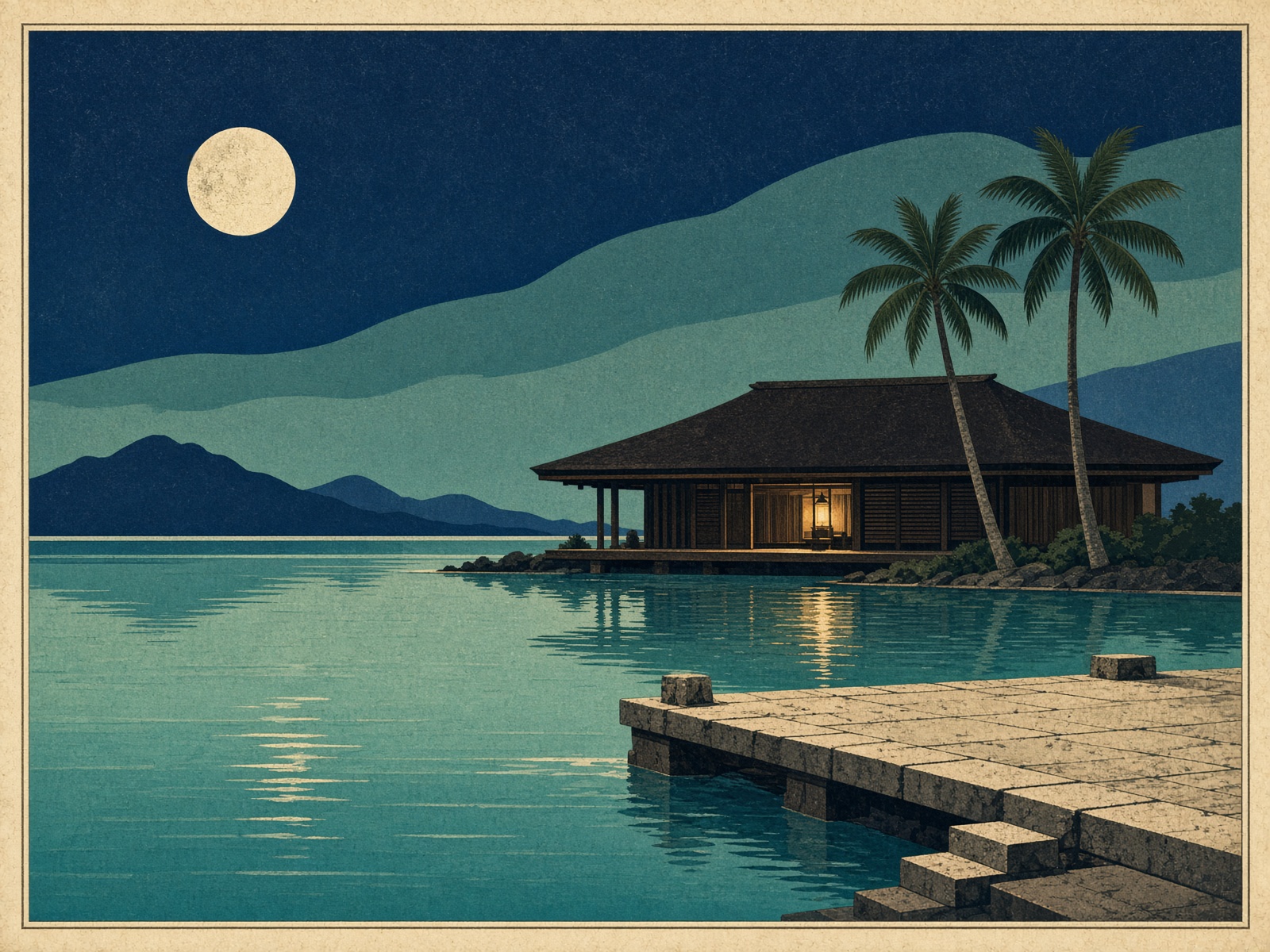
Forty years after Amanpuri, the argument is still the same and still poorly understood. Aman is not a style of interior. It is a bet that a low room count, a long driveway, and a staff-to-guest ratio that looks insane on a spreadsheet will produce a night that cannot be shopped against a palace in town. Sometimes the bet holds. Sometimes it produces a very expensive emptiness.
The handwriting is consistent: pavilion over water or under a roof that barely admits it is a hotel, a spa that is a building rather than a menu, a restaurant that does not need a view because the view has already been sold with the room. What has changed is the map. Forty years of openings have made 'an Aman' a category guests now request the way they once requested a grand hotel. Categories attract the wrong guest.
Aman did not invent quiet. It put a price on the refusal to fill the garden.
Read the register entry before you book. The code will outlive whatever ownership structure currently holds the keys. The question is not whether Aman is 'worth it'. The question is whether you are the person for whom silence is the product, or the person who will arrive and ask where the scene is. The second person is not a lesser traveller. They are simply in the wrong house.
Reference
Luxury Hospitality Library →The source is the file. This page is the reading. An operator is the right source for an opening date and for what the rate includes. It is not the last word on ecology, on history, or on its own success.
The last line
The desk can ask. It cannot invent a door.
Where the house is open, that is the official rate and the privileges that house actually honours. Where it is not open, the answer is that it is not open. Miles and status are not a promise on a project with no reservations.
Send an enquiry